



















Haunted by the next fire
By José Villacreses
Across the scorched mountains of Galicia in northwestern Spain, the scars of devastation tell only half the story; the rest is a warning. Firefighters, scientists, and villagers all point to the same grim future: unless this rural landscape is actively restored, it is only a matter of time before another unstoppable fire sweeps through the region.
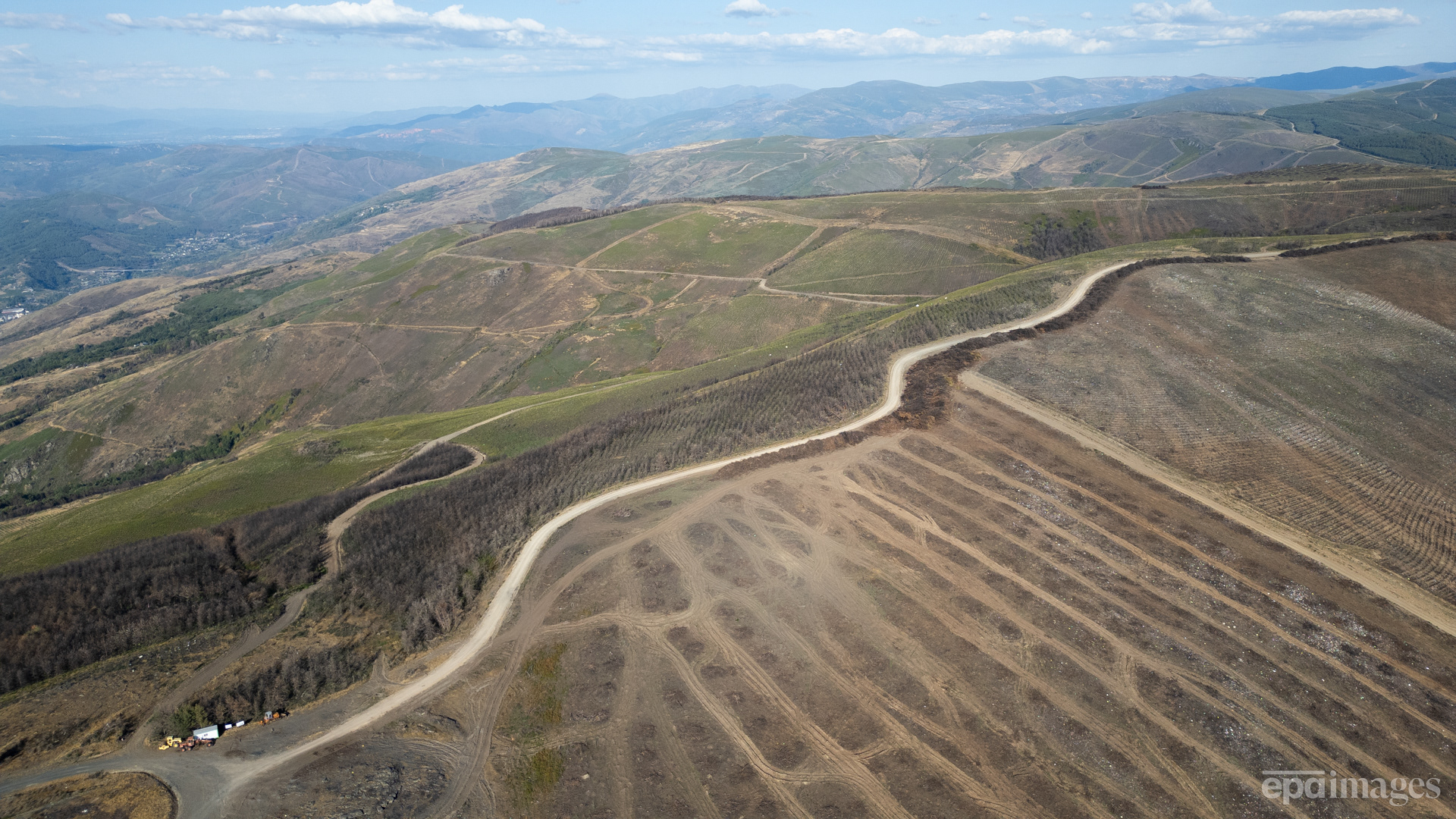
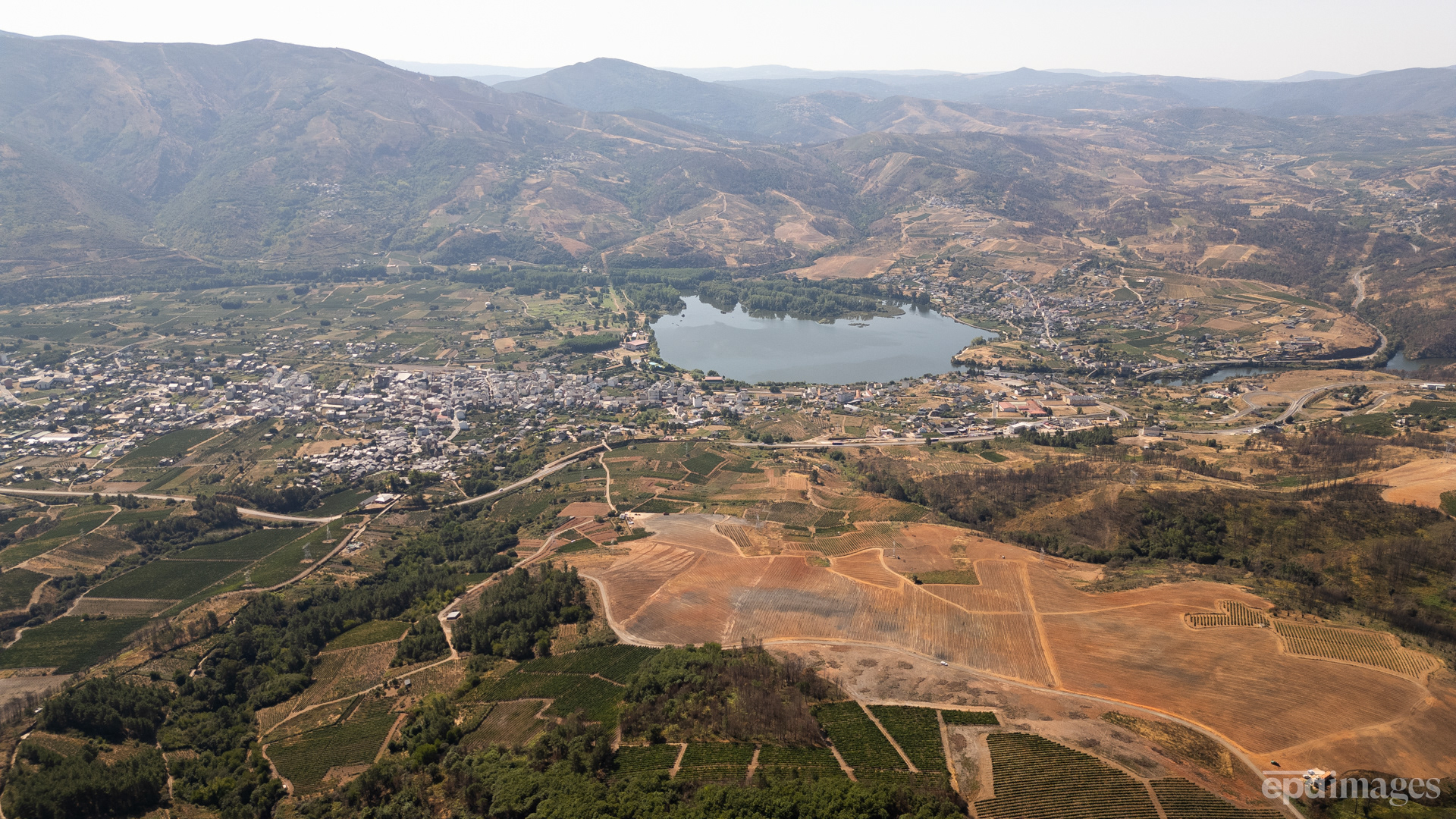
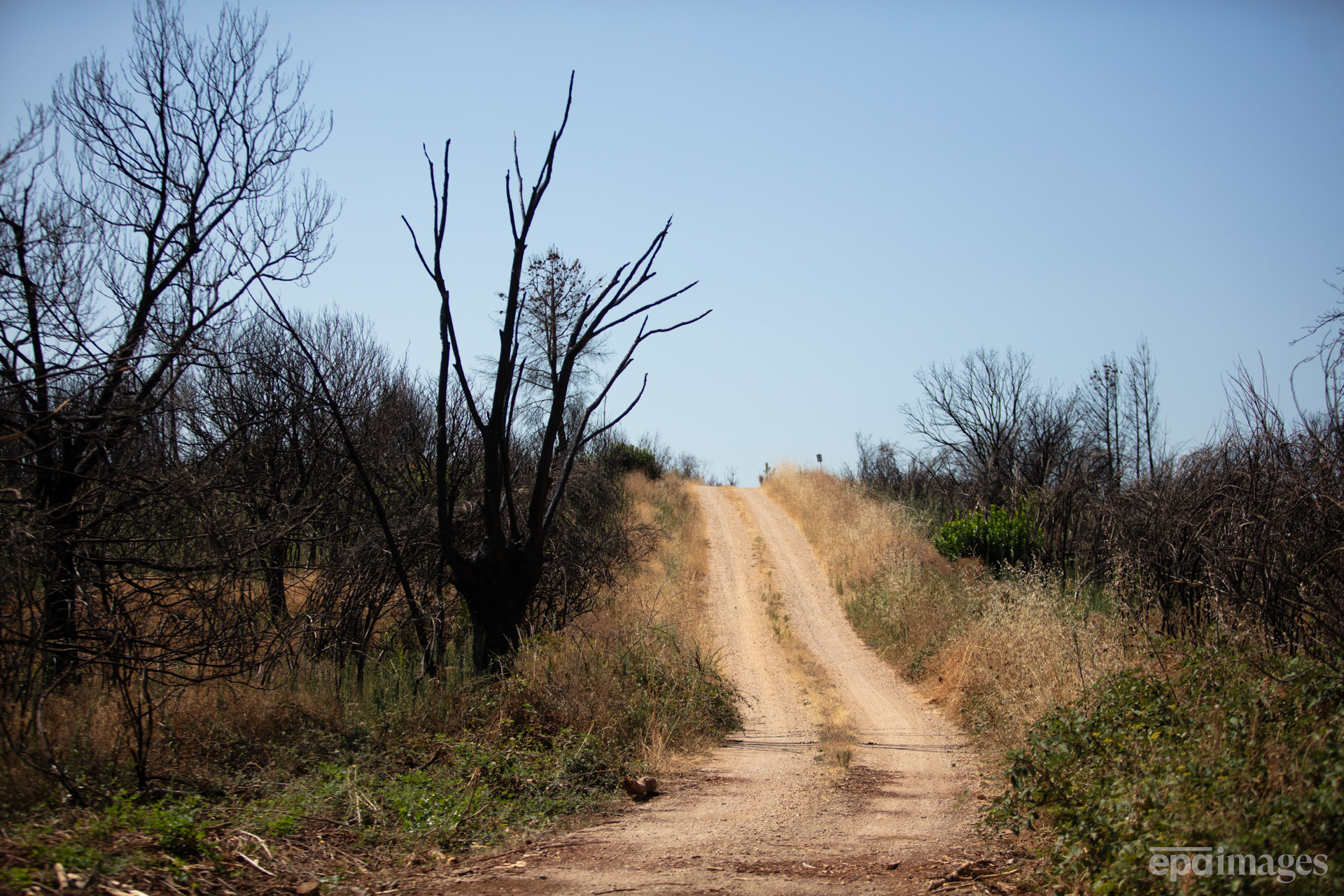
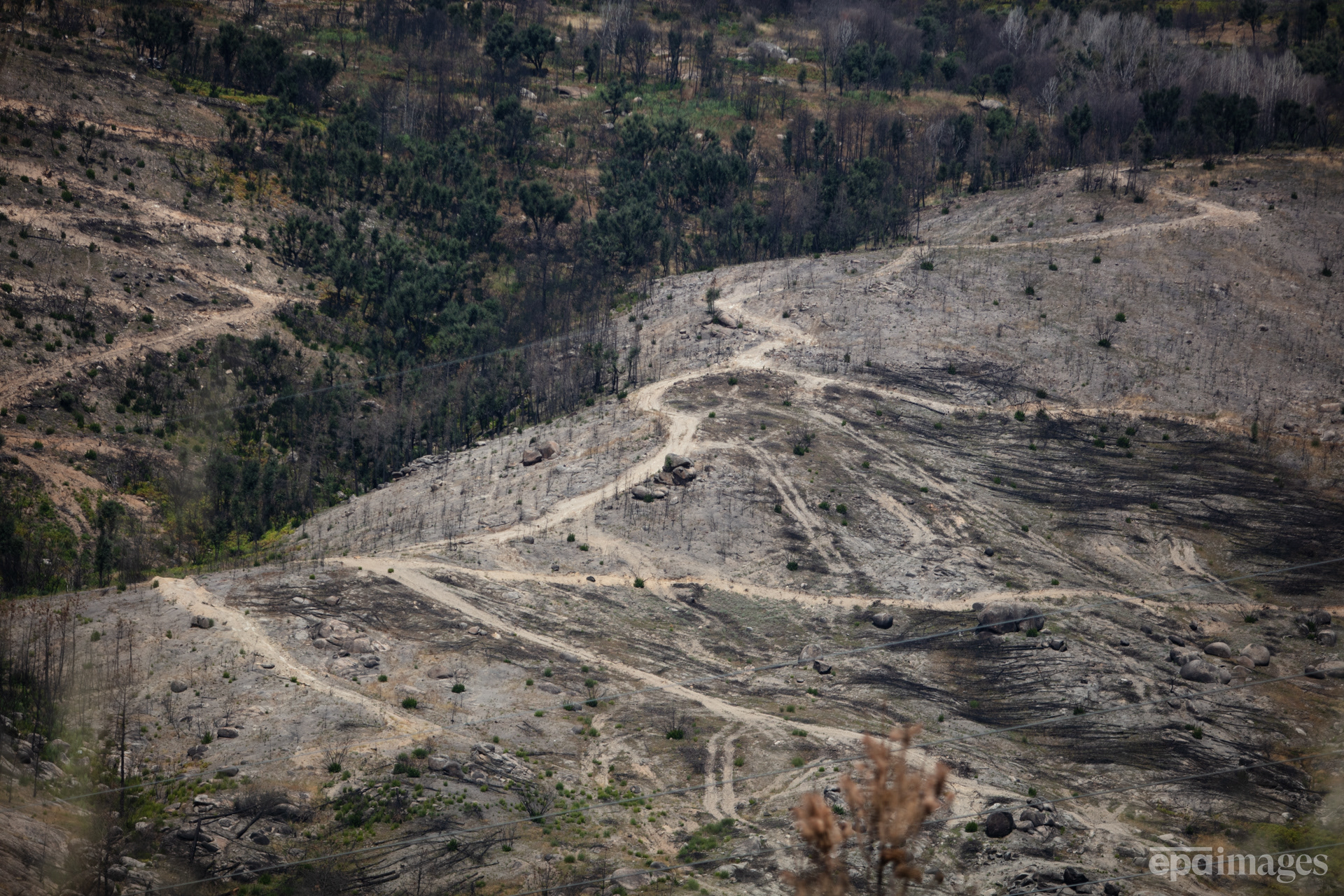
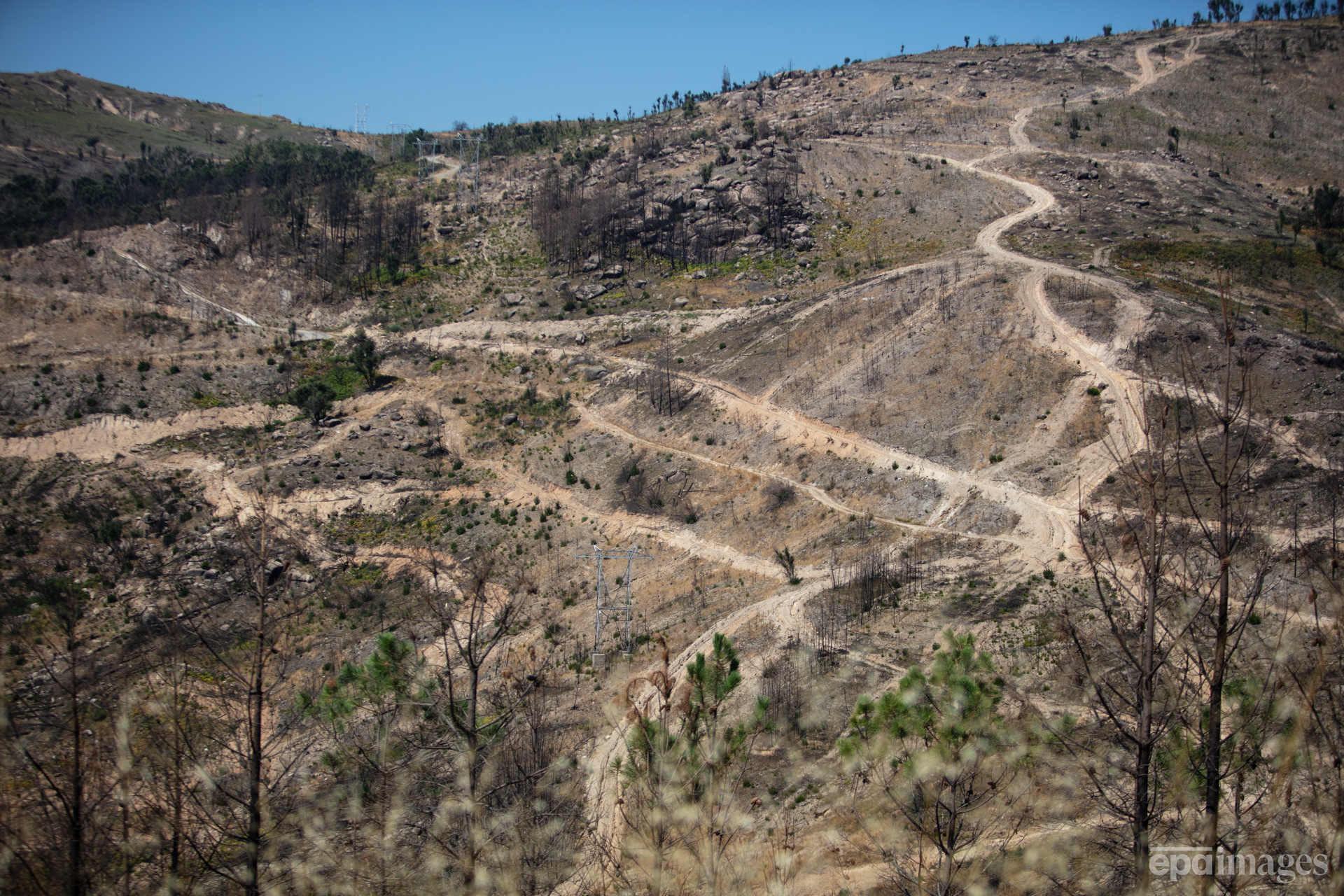
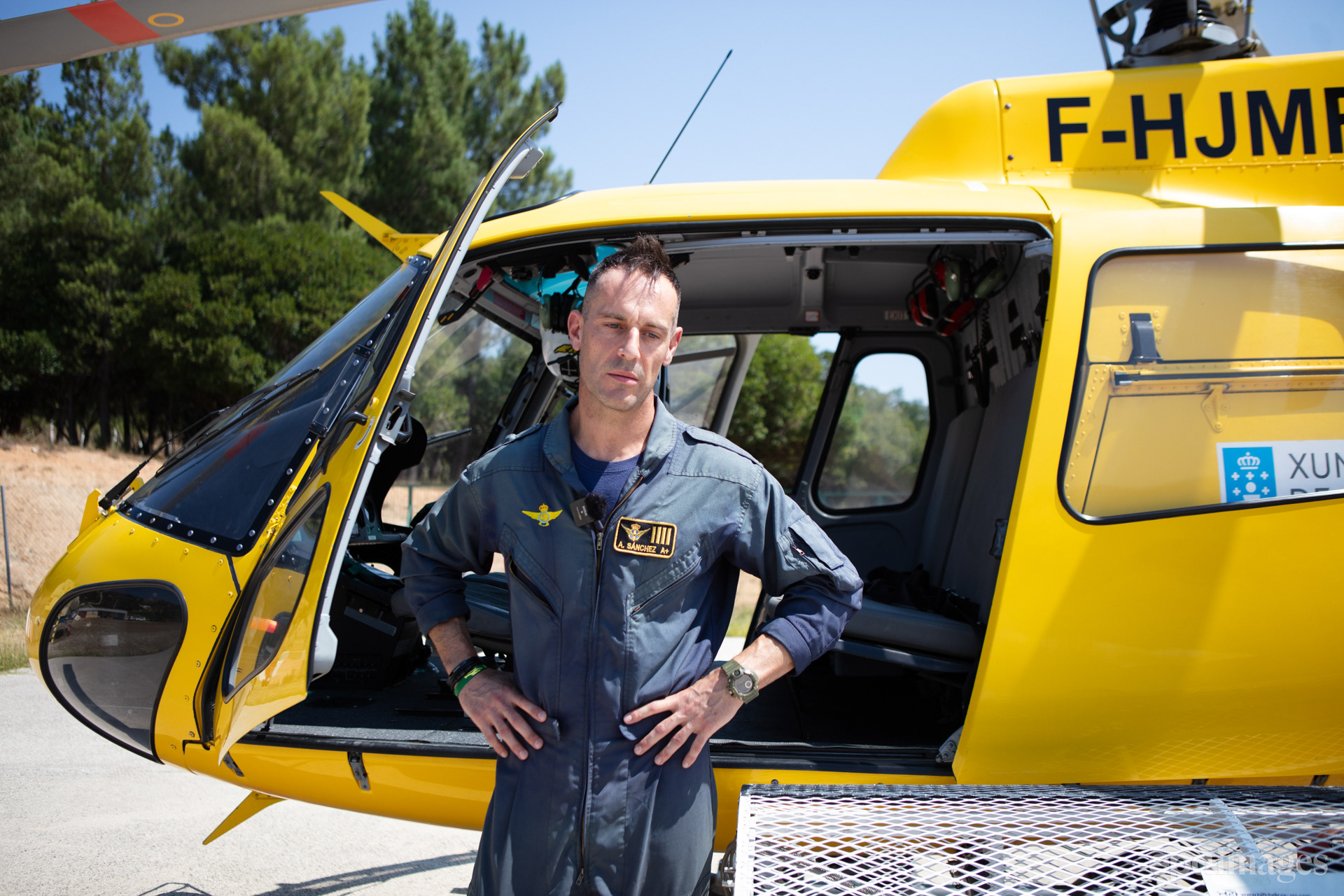
From the air, the scale of the destruction is difficult to believe. Flying over Valdeorras, a wine-producing valley in Galicia, the burned landscape stretches across the mountains in every direction. Entire hillsides appear desolate, the ground blackened and lifeless.
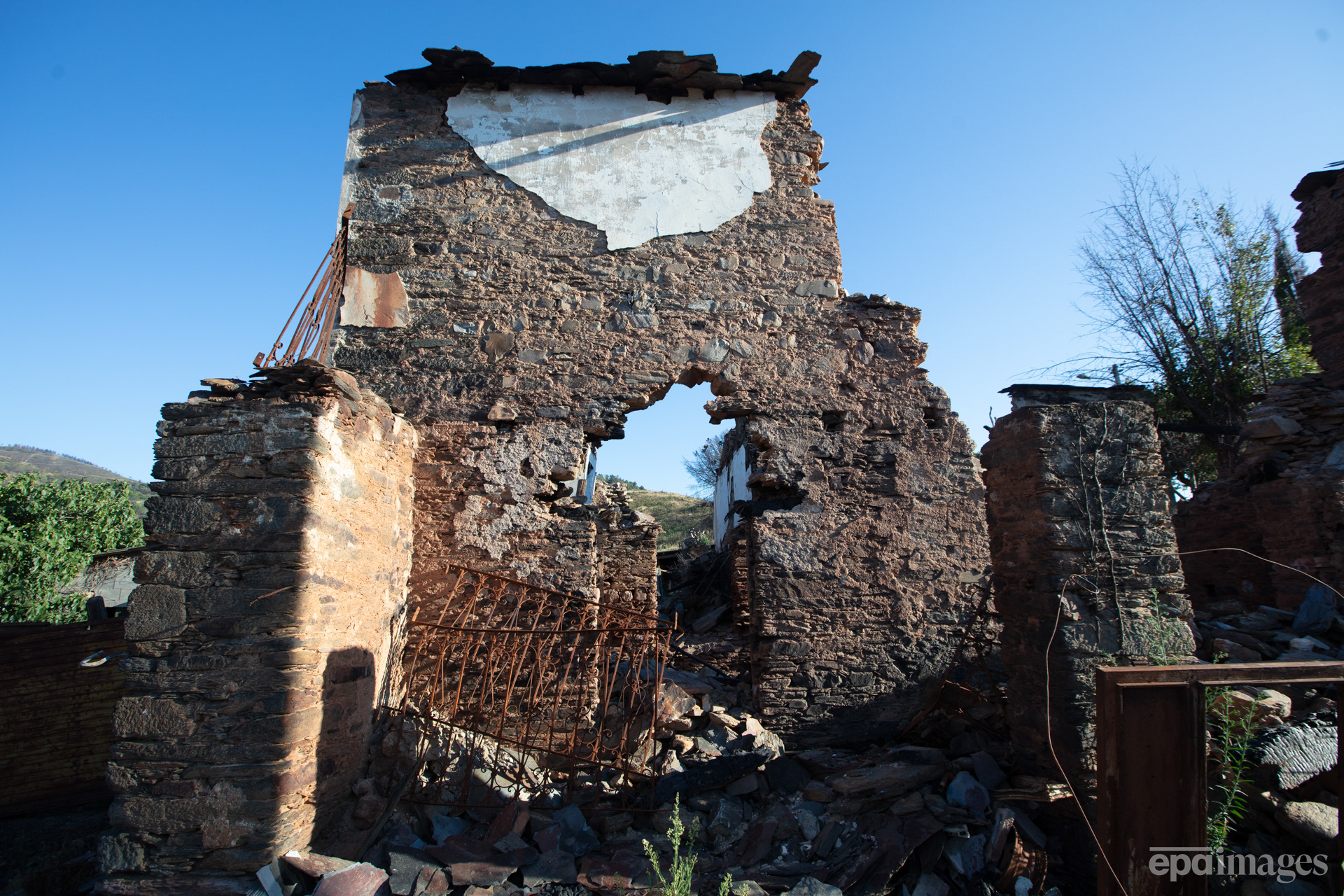
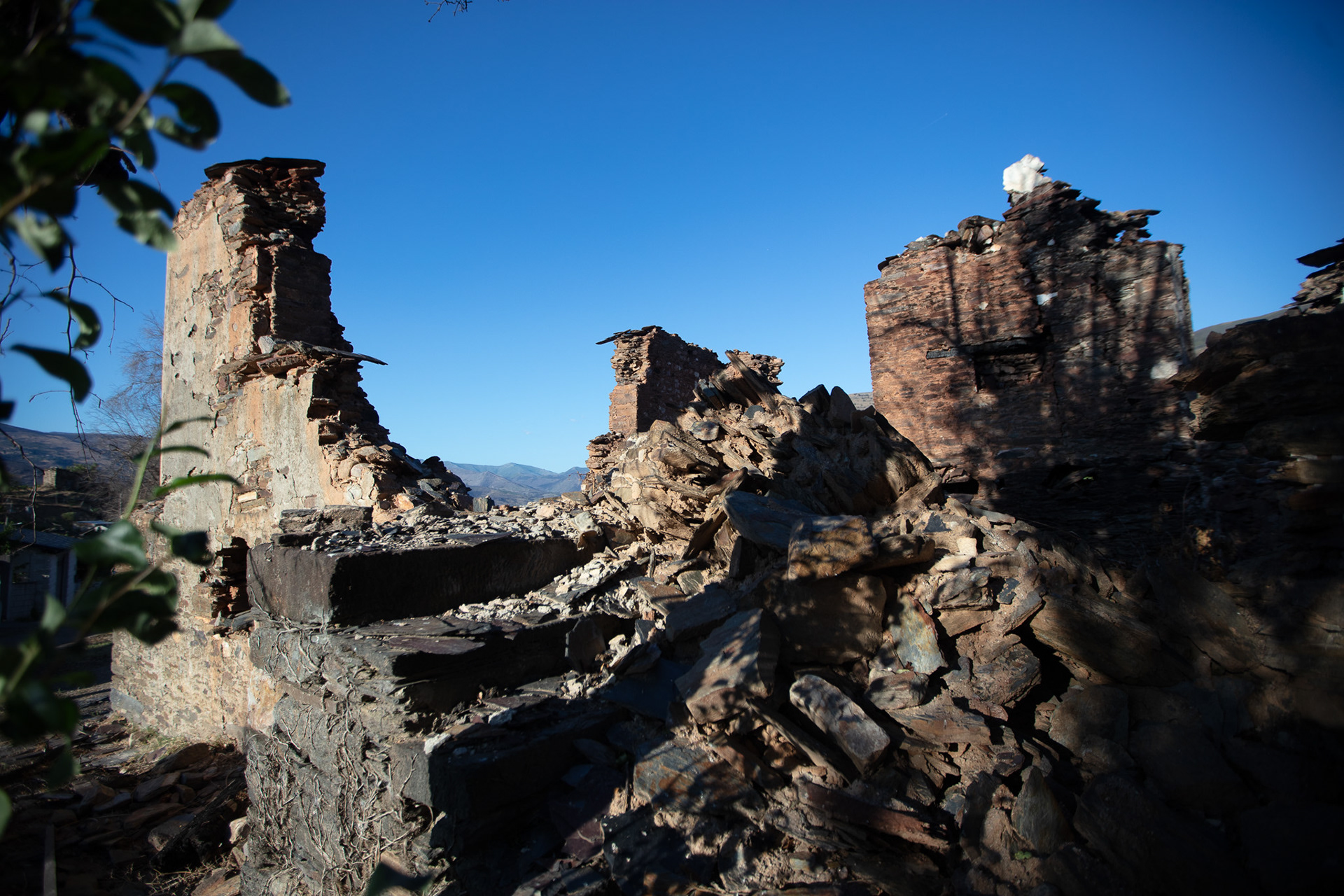
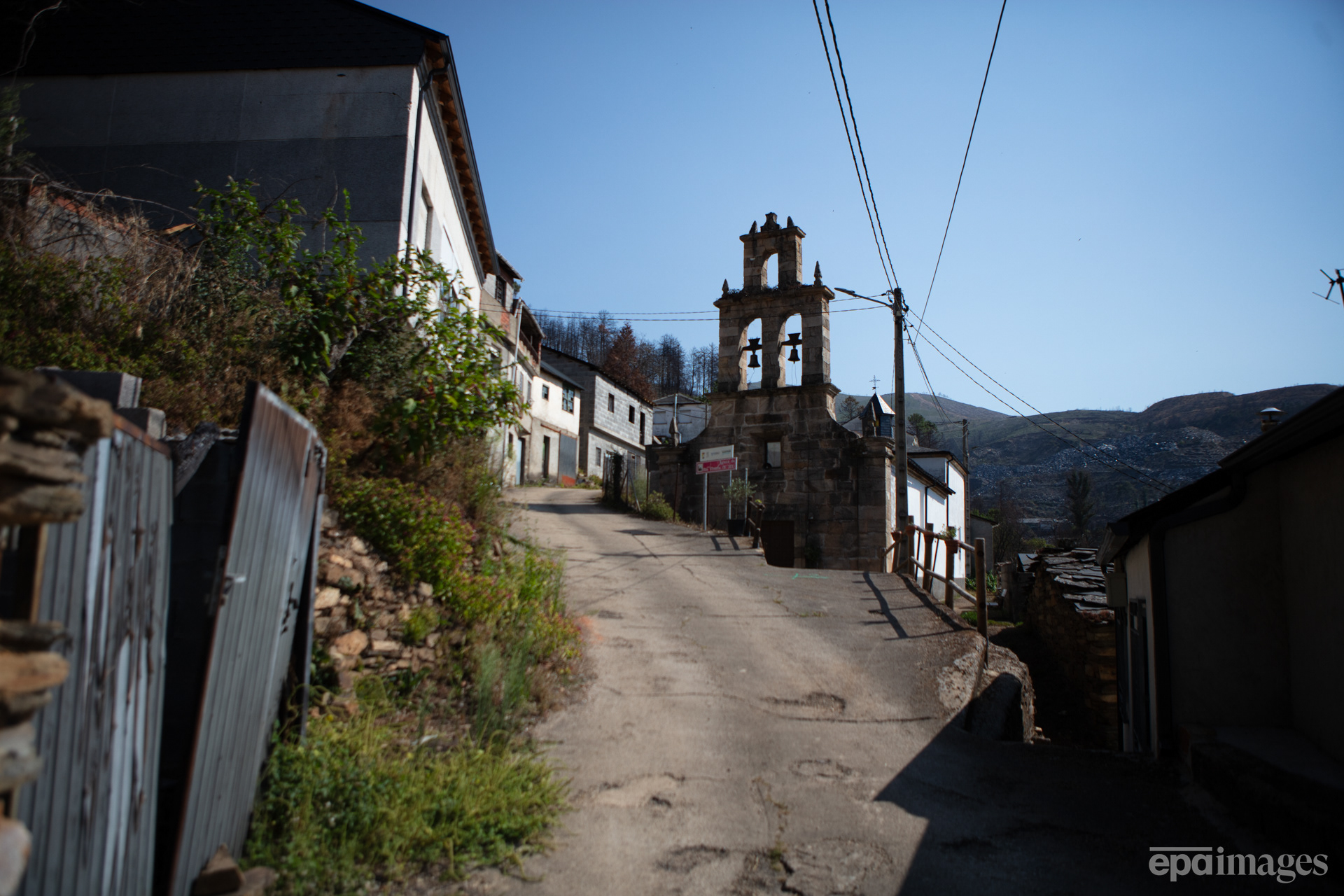
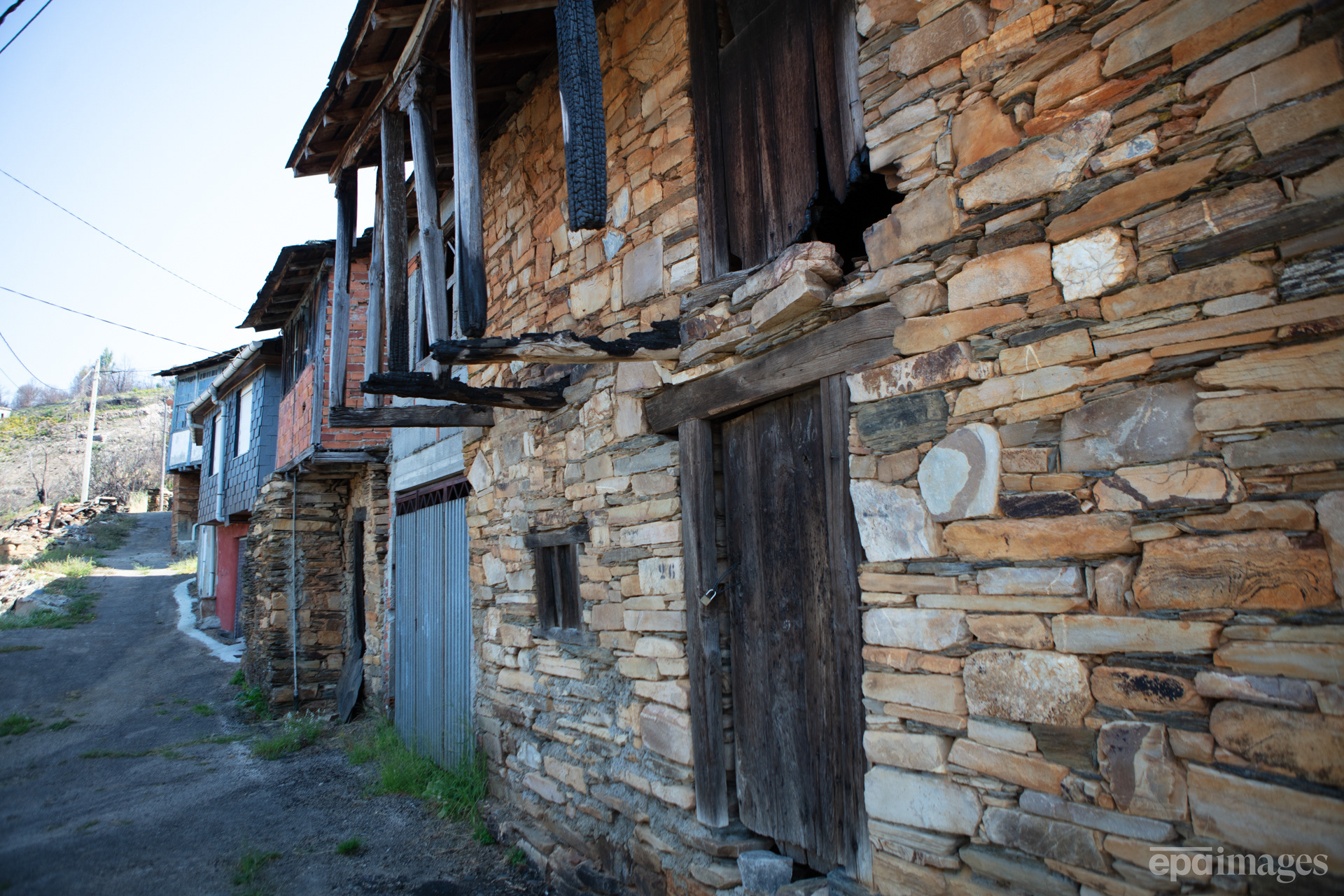
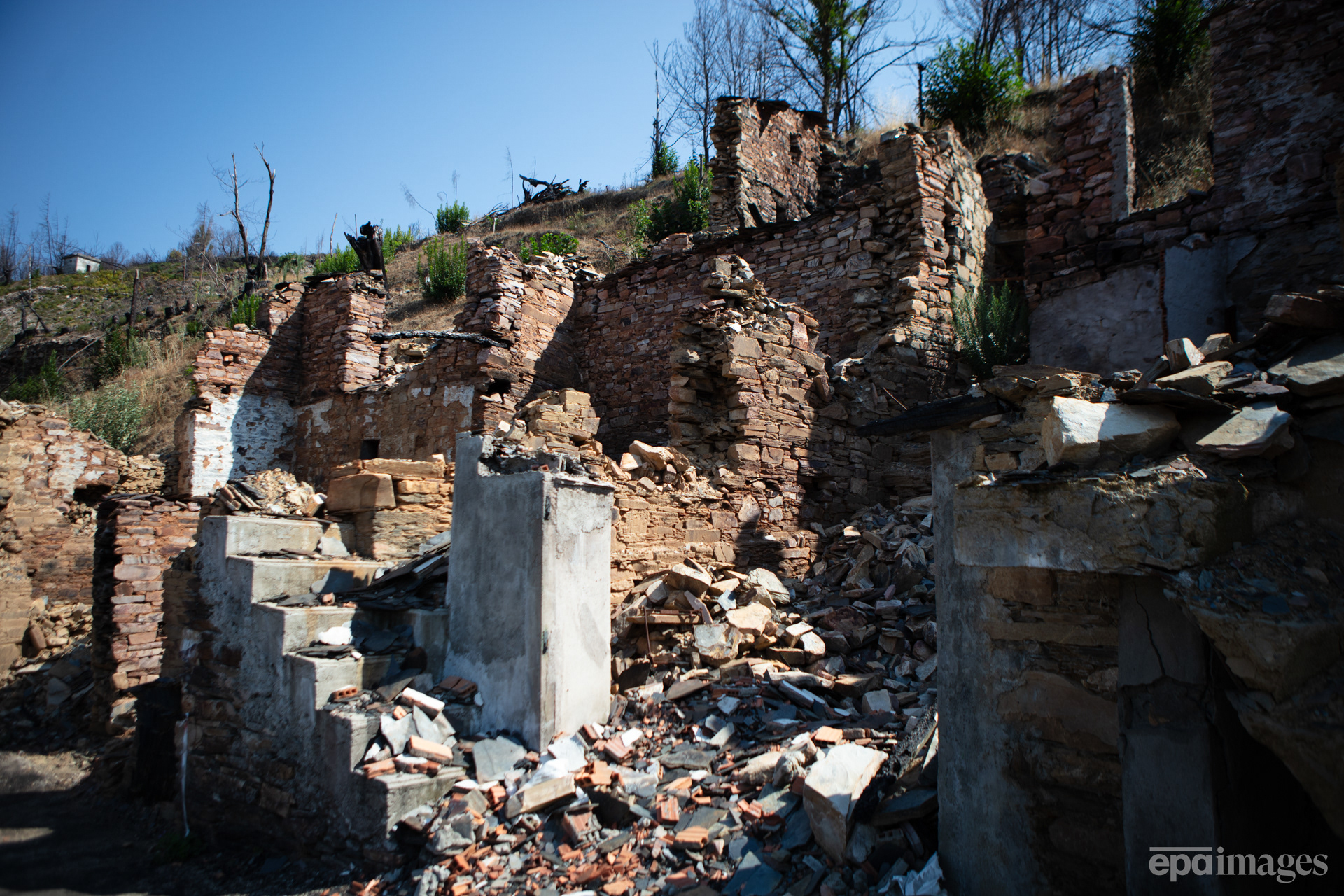
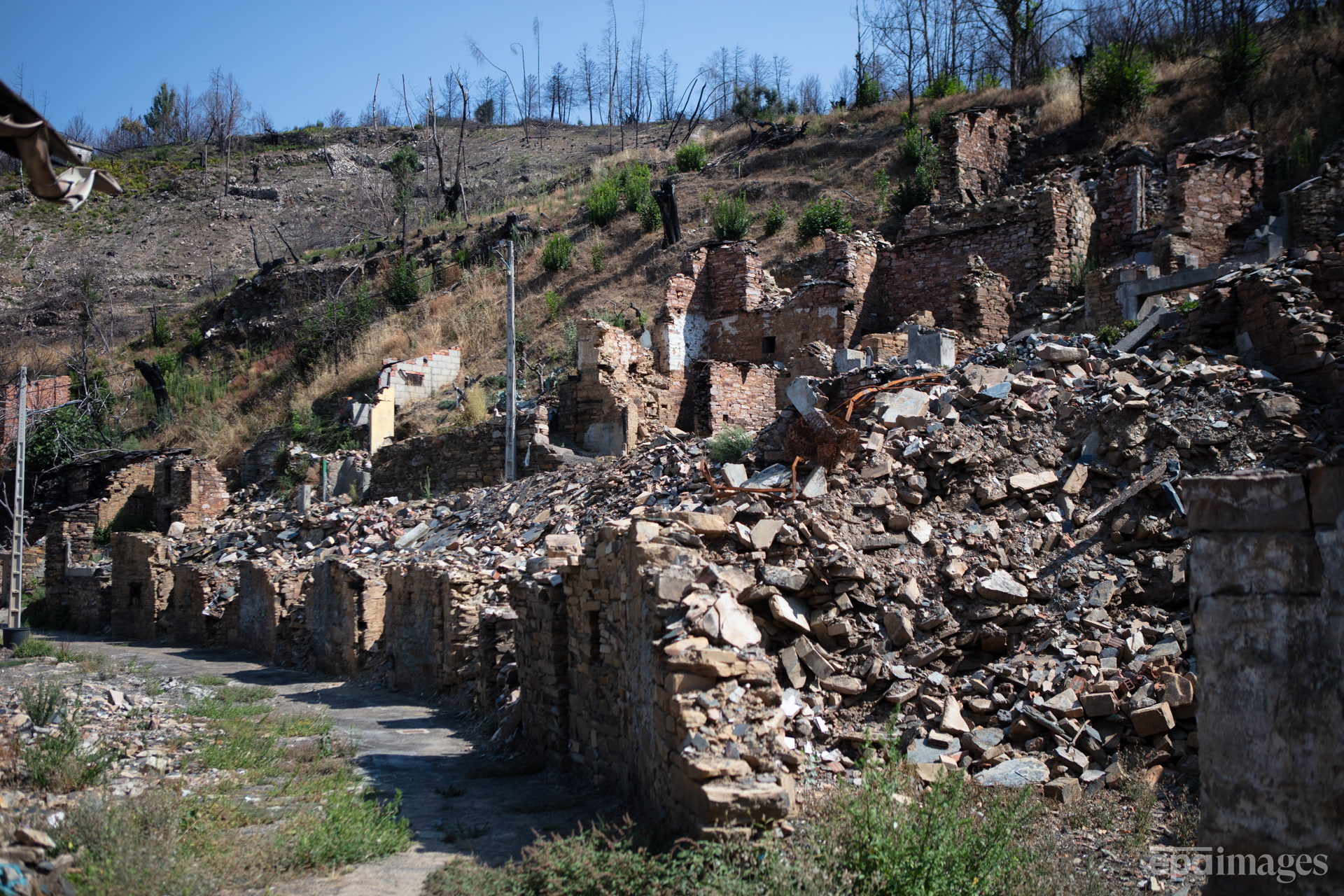
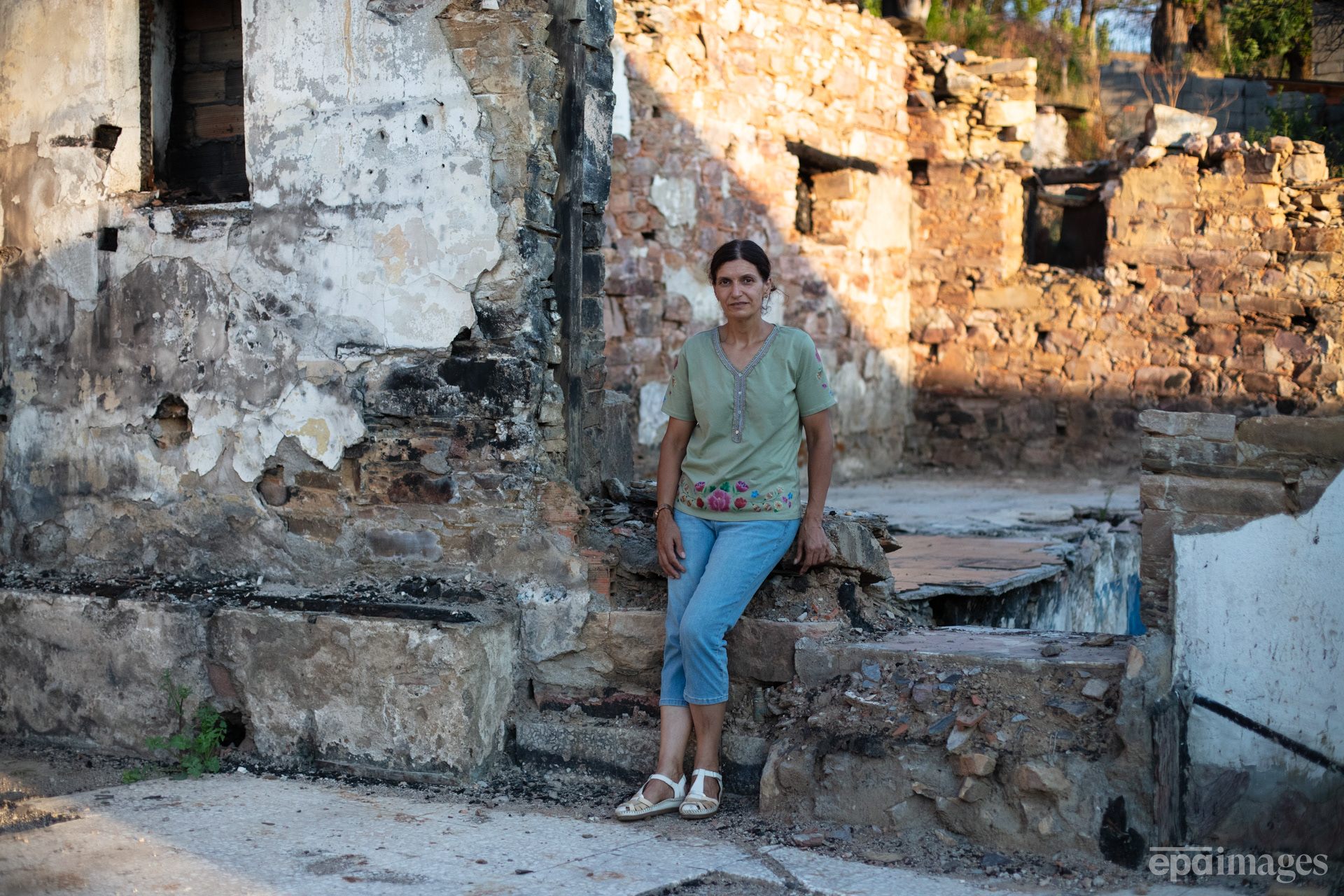
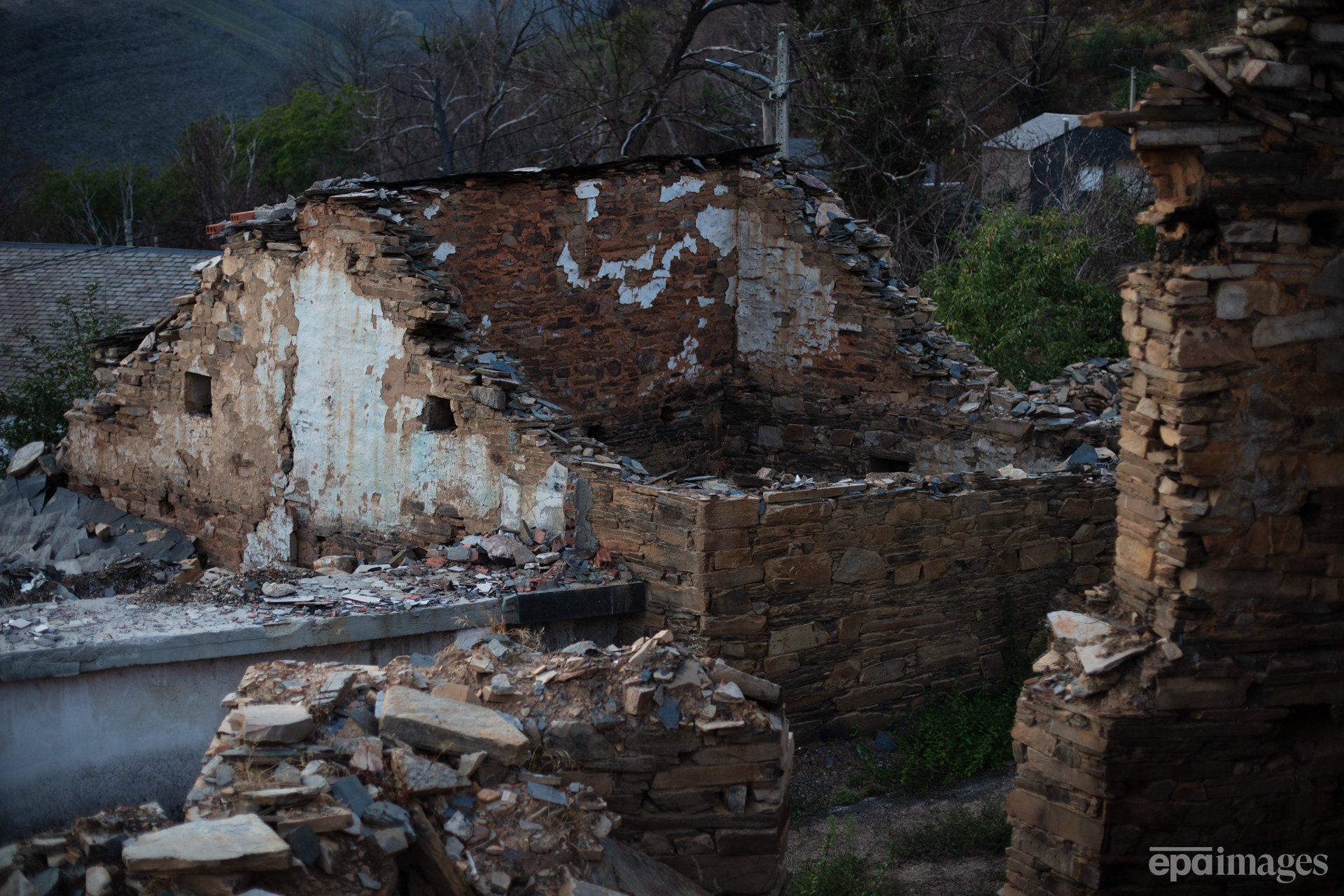
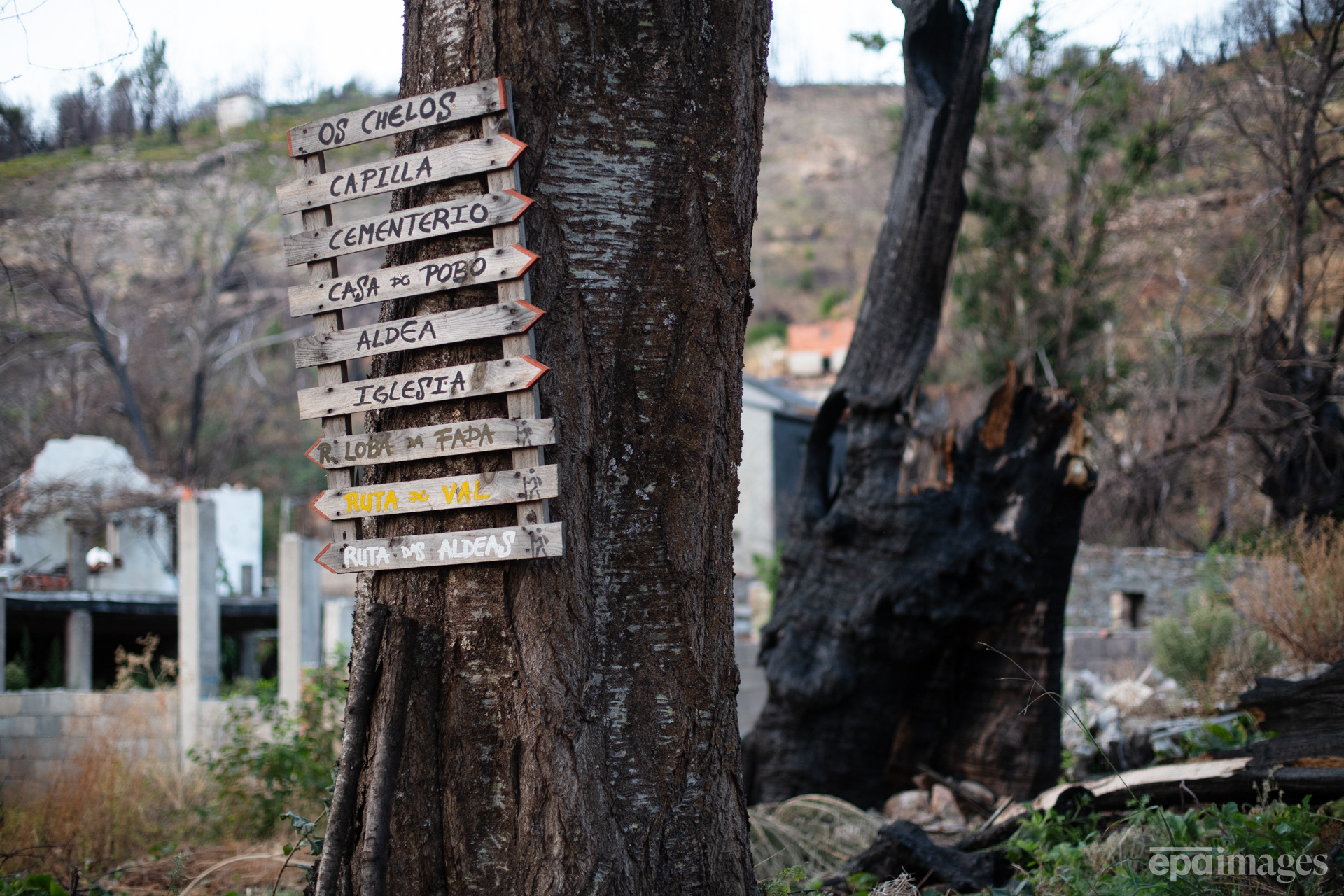
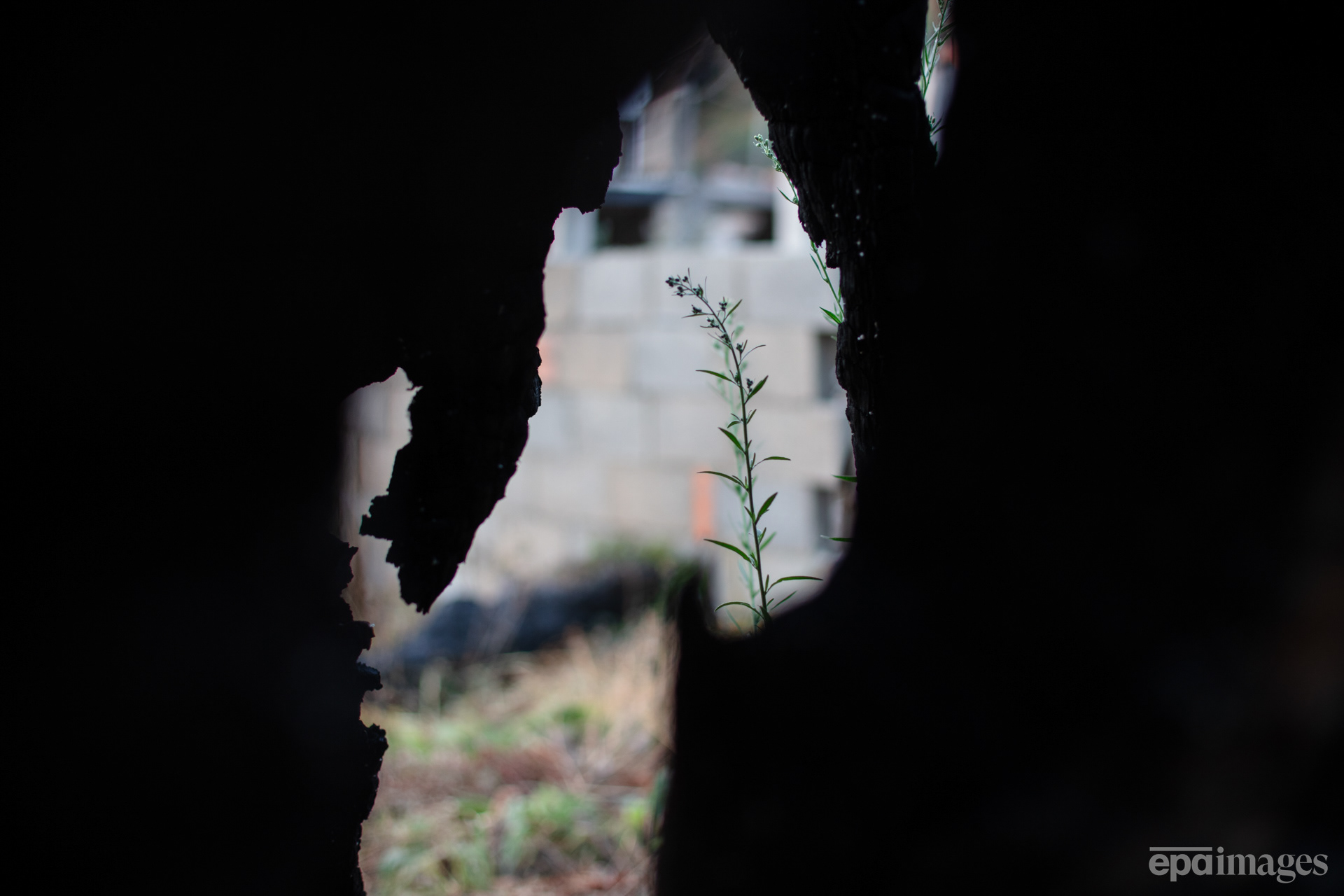
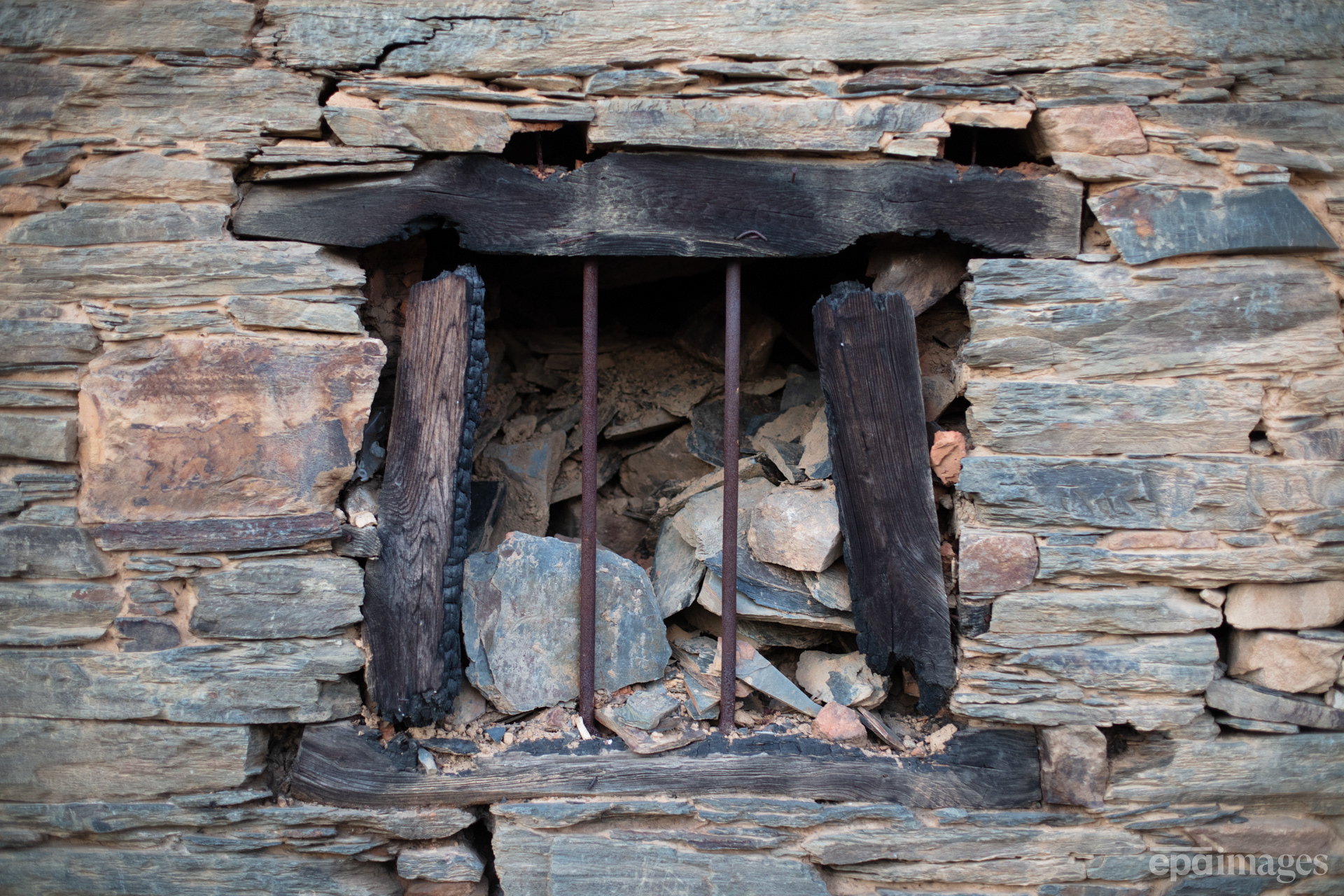
In San Vicente de Leira, one of the villages in the valley, residents walk past collapsed stone houses charred by heat. The hills surrounding the village, once covered by forest, remain stripped bare. When rain falls, ash and soil still wash down into the valley.
Many residents describe bureaucratic obstacles, delayed reconstruction and a growing sense that rural communities are being left behind.
"It is heartbreaking: every morning I open the shutters and see my parents’ house burned, I see my aunt’s house burned,” says Clemente González Pega, 70, a retired worker who returned to San Vicente after decades abroad. “I see neighbors who were forced to leave because they were made to feel that they no longer belonged here."
Chronology of a catastrophe
In August 2025, a wildfire presumably triggered by lightning during a dry thunderstorm spread across Valdeorras in Orense province. It was Galicia’s worst wildfire on record. Driven by extreme heat, strong winds and exceptionally dry conditions, the blaze spread across more than 30,000 hectares, forcing evacuations and overwhelming firefighting crews.
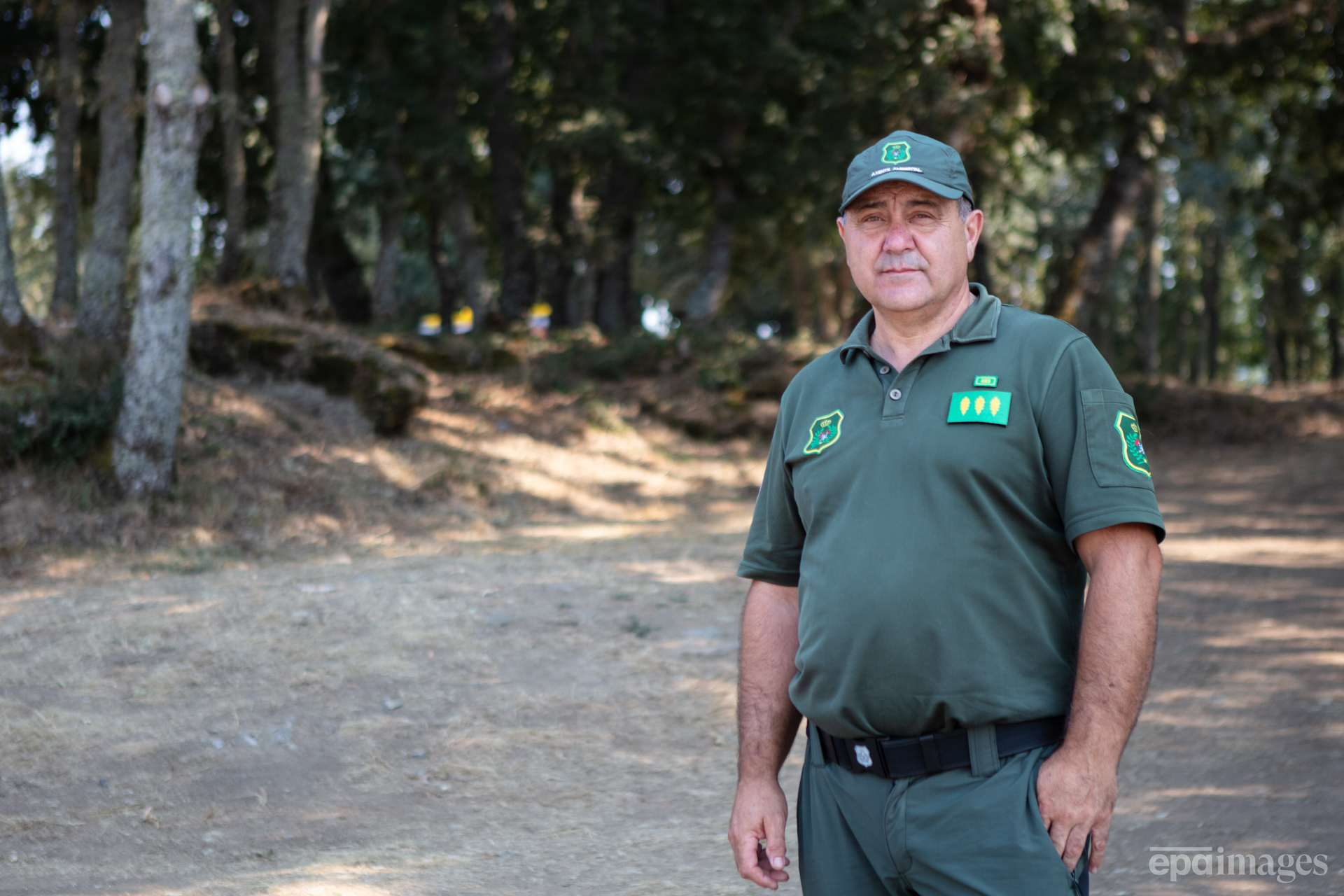
For veteran forest ranger Alberto Vázquez, who has spent more than three decades working in the region's forests, there were moments when the fire generated so much energy that it could no longer be fought directly. Crews were forced to retreat and wait for conditions to change before attempting to regain control.
As flames advanced toward villages, firefighters and residents worked side by side to protect homes, move livestock and clear vegetation. The emergency became a collective effort in which entire communities joined the fight to save what they could.
Yet among them, there is broad agreement that lightning was only the trigger for a crisis built over decades of rural depopulation. As younger generations left for cities, fields were abandoned, livestock disappeared and traditional land management faded. What once served as a patchwork of farms, vineyards and grazing land gradually became continuous fuel for increasingly powerful fires.
Climate change has also altered conditions in a region where summers used to be cool and rainy.
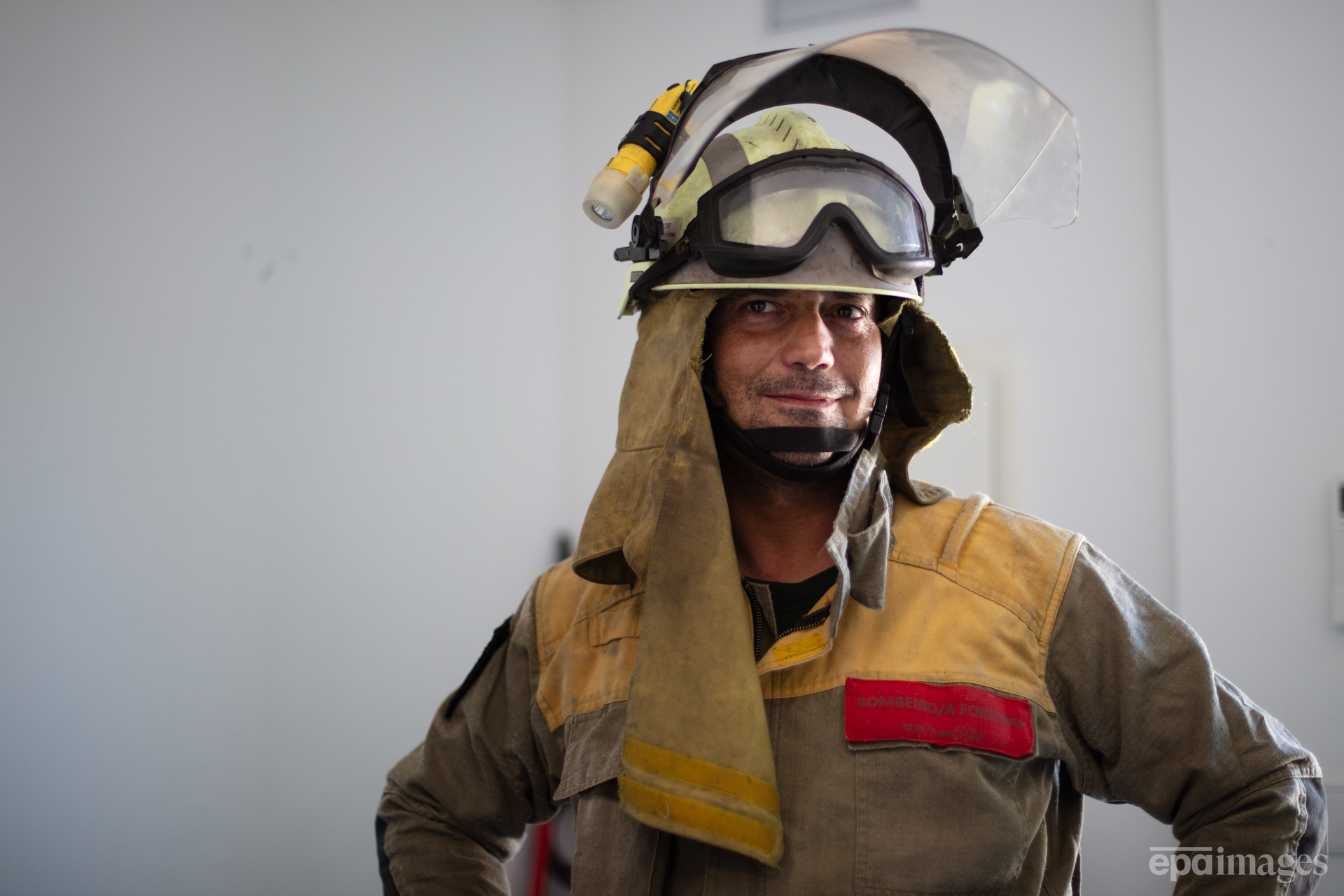
Forest firefighter Eva Villasol remembers when cattle naturally kept vegetation under control around villages. Today, she says, abandoned land accumulates dry brush faster than it can be managed.
“People should not be driven out of rural villages. Right now, we need firebreaks, cleared areas, and brush removal in the forests,” Villasol says. She fears that “as soon as the undergrowth returns and the mountains are covered with dense brush again, in three or four years, everything will burn once again.”
Her colleague José Antonio Vaz describes modern wildfires as fundamentally different from those he witnessed growing up. Weather patterns have become increasingly unpredictable with strong winds that can shift direction suddenly and accelerate the spread of fire. Combined with prolonged drought and extreme heat, those conditions have made wildfires more difficult to control, he explains.
“When I was a child, you would see a wildfire, night would come, and it would go out on its own,” Vaz recalls. “Back then, the fire burned from the village outward toward the forest. Now it is the opposite: it burns from the forest toward the village.”
Beyond the ashes
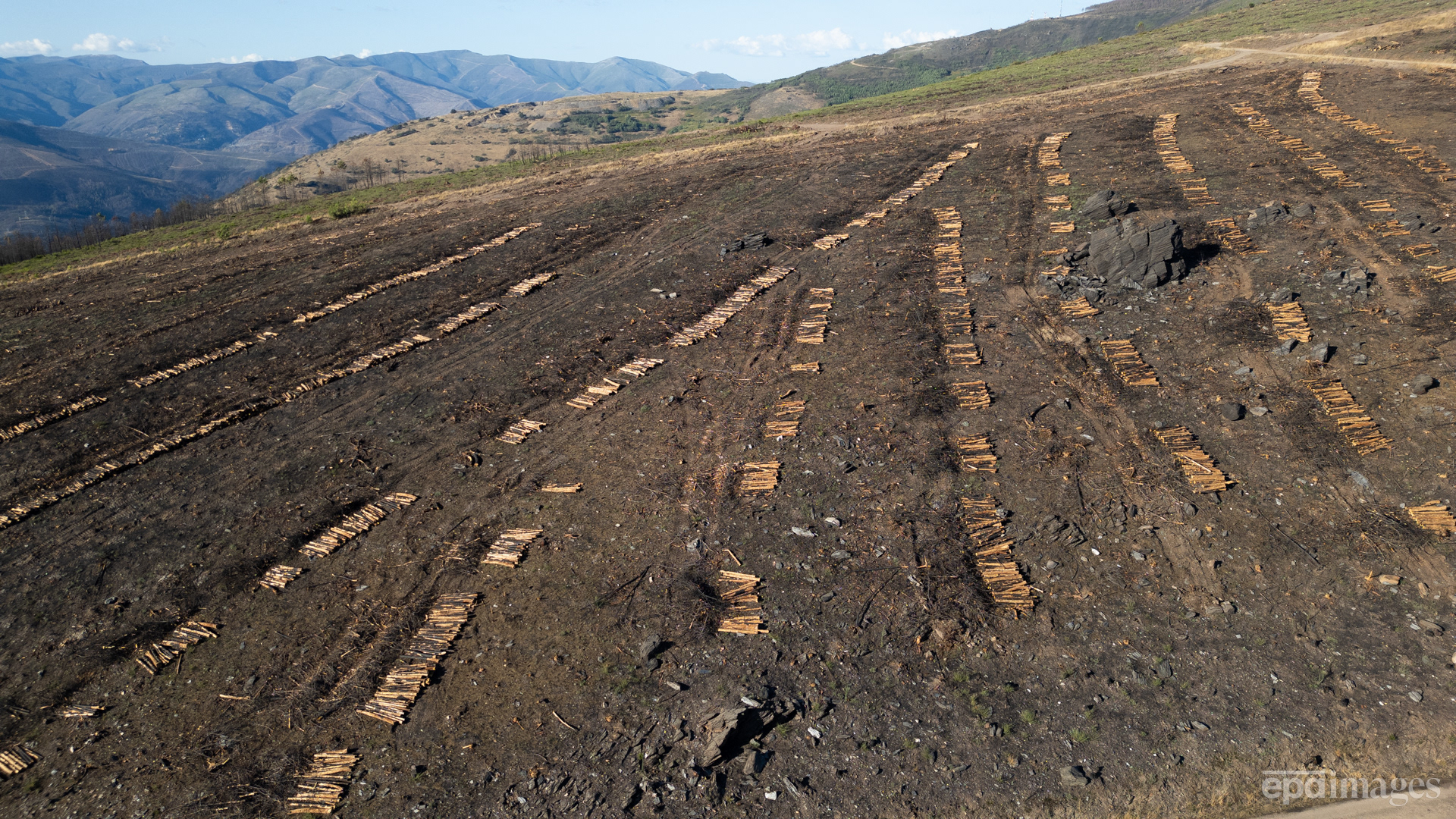
The village of A Rúa, near San Vicente, saw 90% of its territory -and the whole of its forest- burned in the summer of 2025. “Not only did the trees burn—the soil itself burned,” recalls the city major María González Albert. “We lost between 50 and 60 centimeters of soil.”
One year later, Albert says proper restoration has not been initiated or encouraged.
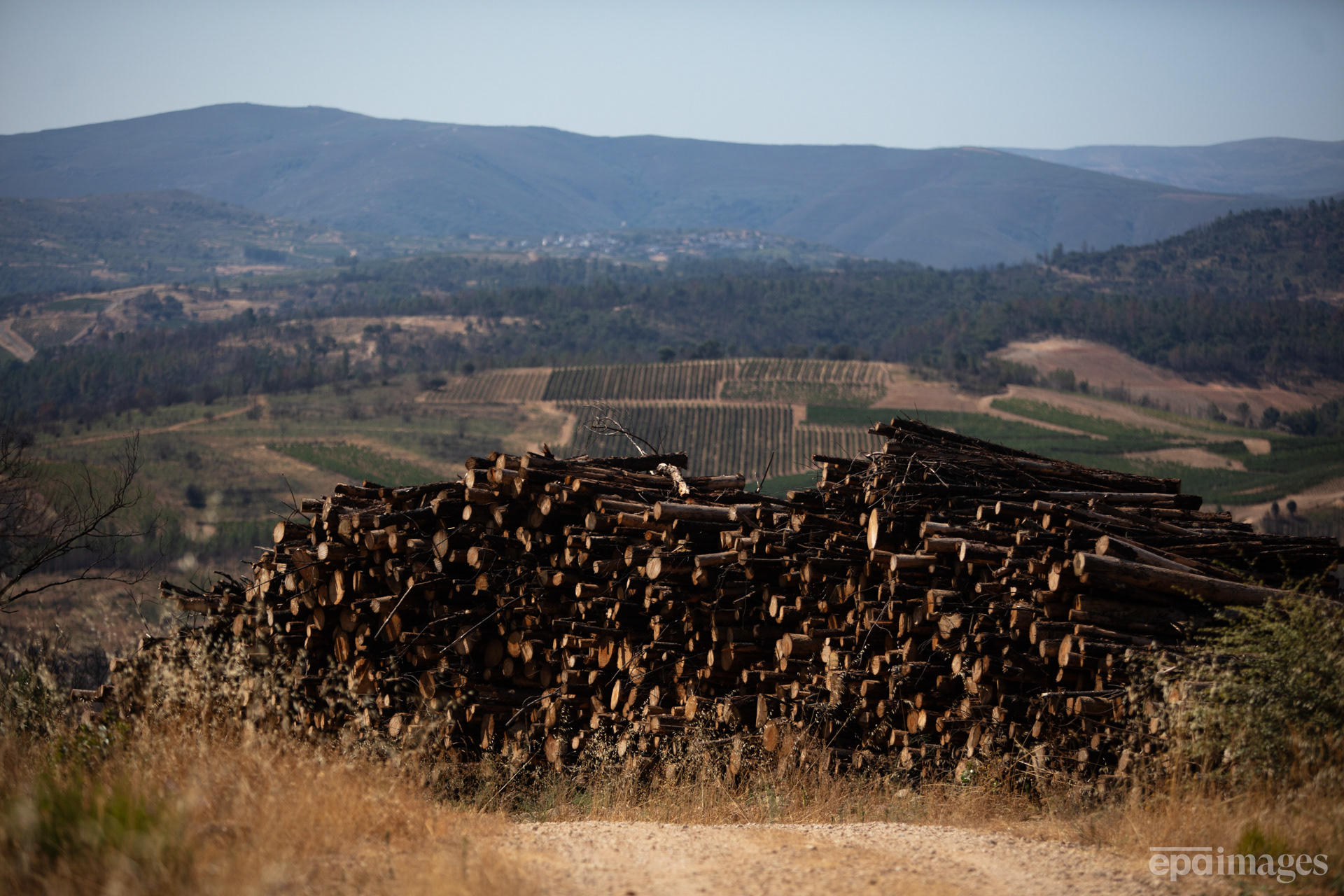
“Restoration would have meant removing the burned timber to prevent the spread of disease and, above all, finding ways to keep the soil in place,” she explains.
“We will never see this landscape restored to exactly what it was during our lifetime,” she laments. But she also warns that if restoration work is not encouraged, “that recovery will never happen.”
Montserrat Valcárcel, a professor and watershed restoration specialist at the University of Santiago de Compostela, explains that post-fire recovery must begin immediately. In Valdeorras, she says, many restoration measures were delayed or never implemented, allowing valuable topsoil to be washed into rivers and streams after rainfall.
Firefighter Vicente González and his colleagues still remember the powerlessness, the frustration of being unable to stop the forest from burning as it did in 2025. He believes prevention is key, and that means restoring native vegetation like the chestnut trees that made San Vicente prosperous in the past.
“We had centuries-old chestnut trees and even some that were over a thousand years old,” says villager Rosanna Fernández. “They leave behind a record of what life here was like and how people obtained their food and livelihood.”
According to González, many of the areas that survived the fire were dominated by native broadleaf species, which tend to be less flammable than the pine plantations that cover much of the region.
“In fact, some villages and inhabited areas here were saved because, in our region, there has been a boom in wine production,” adds forest ranger Alberto Vázquez. The planting of new vineyards and the restoration of old ones created natural firebreaks that helped slow the advance of the flames and protect nearby communities.
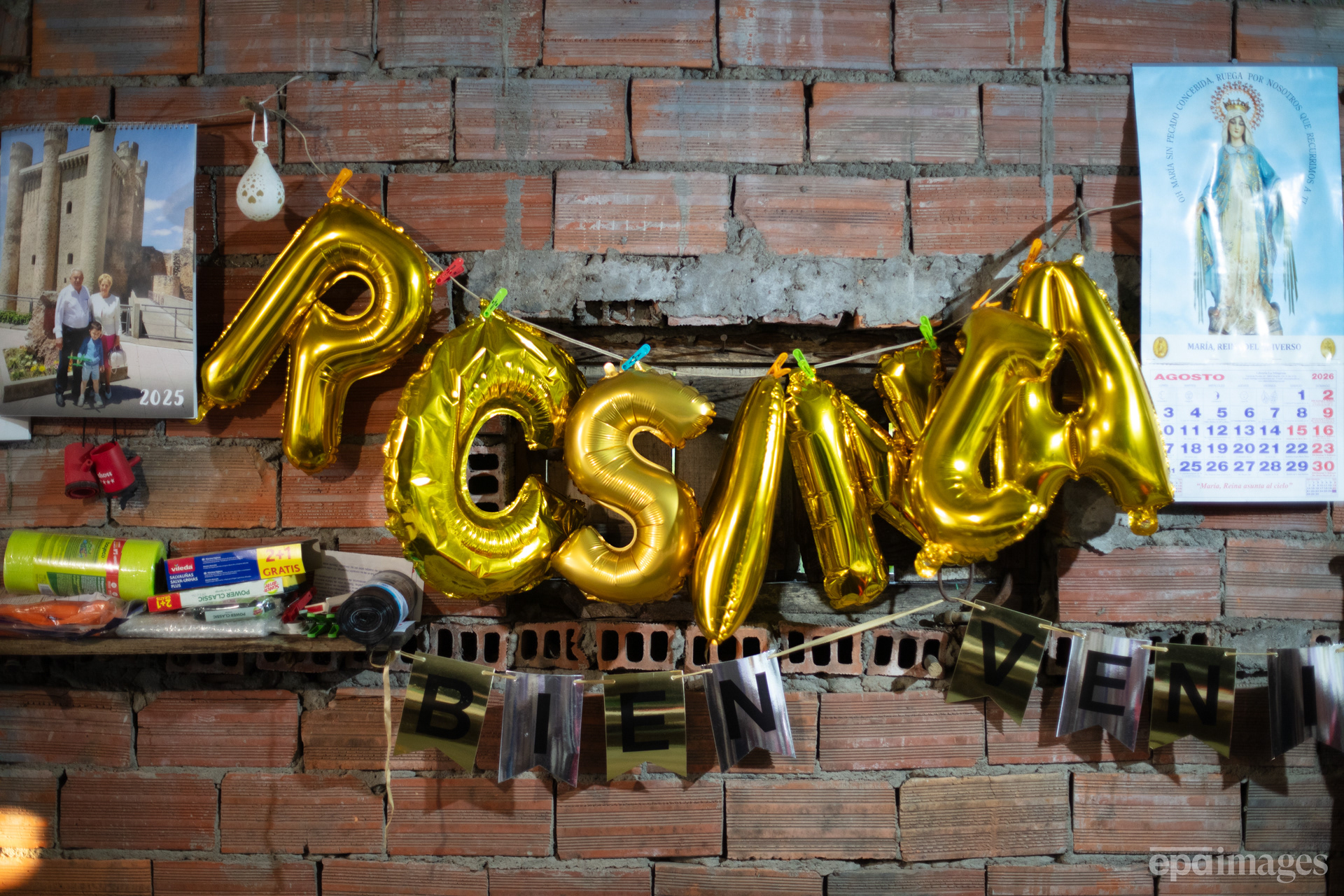
In San Vicente de Leira, some families have rebuilt, others have left, and many continue to live among reminders of what was lost.
The flames consumed more than houses. They erased landmarks, family histories and pieces of a collective identity built over generations. “You lose your identity, because it is your home, your village,” Fernández says. “It is that street, that centuries-old chestnut tree we had, the mountains—it is an entire world of memories. And suddenly it all turns black.” EPA
Editors: Pedro de Oliveira (foto and video), Julia R. Arévalo (texto)